
In the world of Stardew Valley, where every player's journey is a unique tapestry woven from seasons of toil and triumph, the quest for the perfect farm setup is a perennial pursuit. For the dedicated min-maxer and the casual enjoyer alike, the farm is not merely a plot of land; it is the beating heart of the entire experience, the engine of economic success, and the canvas upon which long-term dreams are painted. As we look ahead in 2026, the strategies for achieving an effortlessly prosperous farm have crystallized, and one particular layout has emerged as virtually unbeatable—a masterful symphony of low-maintenance sustainability and high-yield profit that allows players to become the undisputed monarchs of Pelican Town without succumbing to the daily grind.
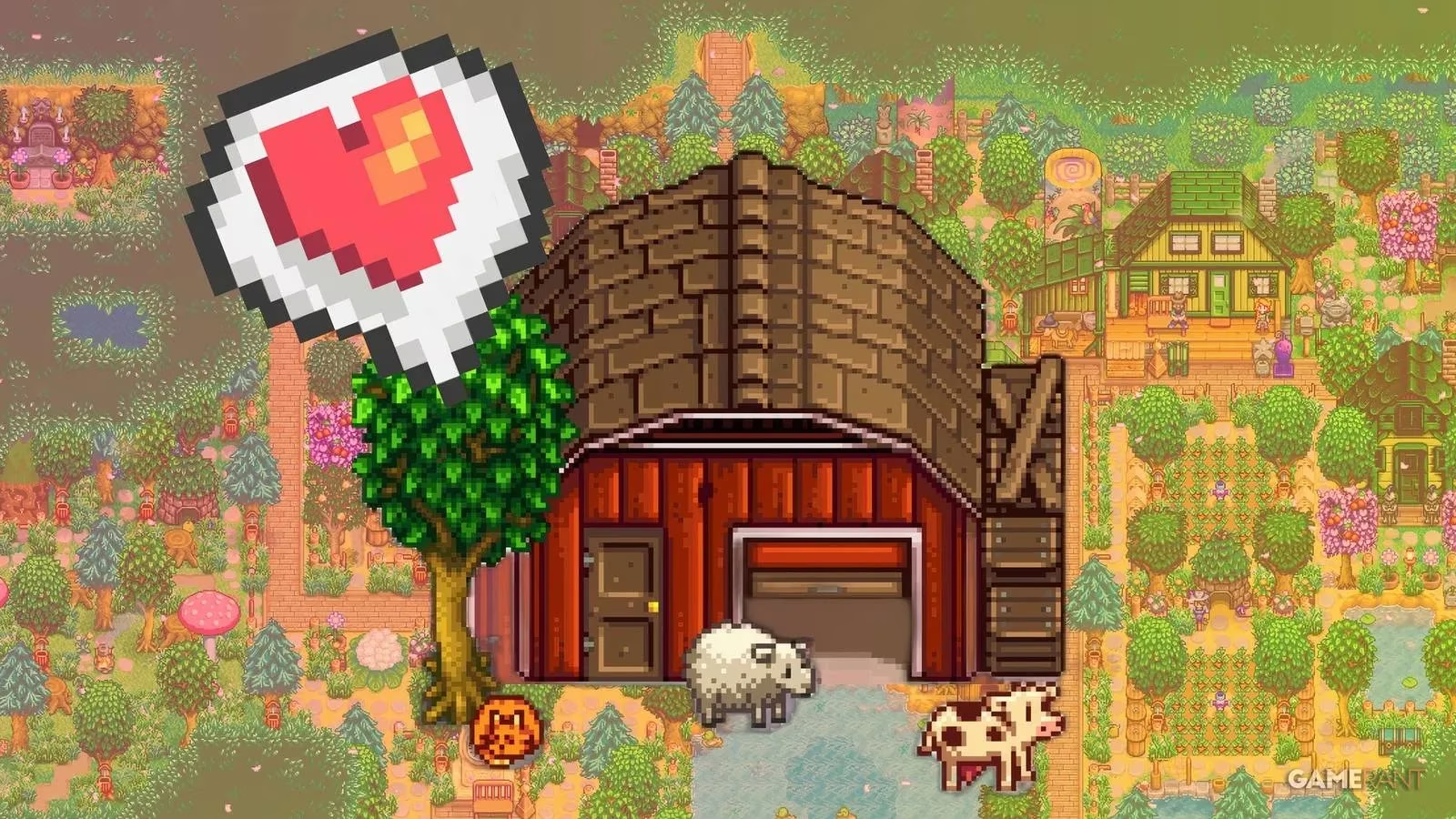
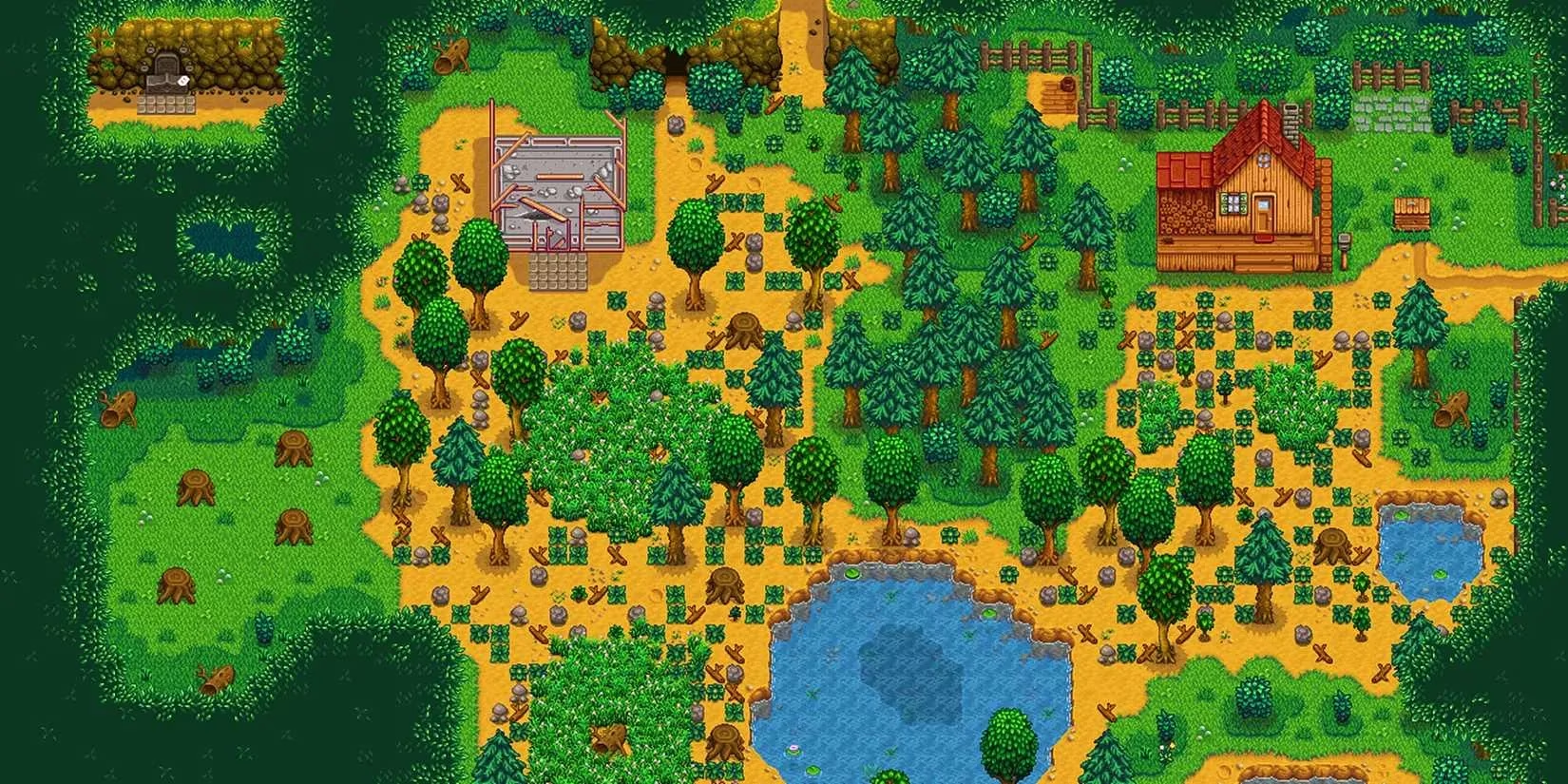
The cornerstone of this dominant strategy is not a complex algorithm or a secret exploit, but a foundational choice made at the very beginning: the Forest Farm Map. While other maps offer gimmicks or thematic charm, the forest map is a self-sustaining ecosystem, a gift that keeps on giving. It is the Swiss Army knife of Stardew Valley maps, offering a perfectly balanced blend of resources that other layouts struggle to match. Unlike the cramped riverlands or the sprinkler-hostile beach, the forest provides:
-
Naturally Regenerating Hardwood Stumps: A renewable source of a crucial late-game material.
-
Abundant Forageables: A daily trickle of mushrooms, berries, and mixed seeds that act as a financial safety net.
-
Strategic Fishing Spots: Convenient pockets of water for a quick angling session.
-
Ample Tillable Land: Plenty of space for crops, debunking the myth that the forest map is too cramped.
This map transforms the farm from a high-maintenance factory into a symbiotic partner, quietly generating resources while the farmer focuses on broader goals. Its design philosophy prioritizes three pillars that form an unshakable foundation:
| Pillar | Benefit | How the Forest Map Excels |
|---|---|---|
| 💰 Profitability | Consistent, diversified income | Foraging guarantees daily gold, while the land supports high-value crops. |
| 🌱 Sustainability | Renewable resources without replanting | Hardwood stumps respawn, forageables reappear—nature does the work for you. |
| ⚙️ Low Maintenance | More time and energy for other activities | No sprinkler restrictions; a friendly layout minimizes daily chores. |
Year 1: Laying the Indestructible Foundation
The first year is where the legend begins. This phase is less about explosive wealth and more about building the resilient infrastructure that will pay dividends for years to come. The goal is to establish reliable income streams and unlock critical upgrades, following a seasonal rhythm as reliable as the turning of the earth.
🌷 Spring: This season is about momentum. Plant a strategic mix:
-
Potatoes for quick, early cash.
-
Cauliflower for a solid mid-season payout.
-
Strawberries (from the Egg Festival) as an investment for next Spring.
-
Forage daily! Treat the forest's offerings not as scraps, but as the lifeblood of your early economy, skill-leveling you up effortlessly.
☀️ Summer: Shift to crops that reward patience and planning.
-
Blueberries become your workhorse, producing multiple harvests like a botanical printing press for gold.
-
Melons offer big, satisfying payouts for quality-focused bundles.
-
Prioritize upgrading the Watering Can to Copper before the season ends.
🍂 Fall: This is the season to cement your financial security.
-
Cranberries are non-negotiable. Their continuous harvest will fund your entire winter and launch you into Year 2.
-
Pumpkins provide additional profit and are essential for Community Center bundles.
🎯 Key Year 1 Milestones:
-
Complete the Pantry Bundles to unlock the Greenhouse—your ticket to year-round farming.
-
Start crafting Basic Sprinklers to automate watering.
-
Crucial Layout Tip: Place all Barns, Coops, and Sheds on the permanent green grass or wooded areas. This preserves every precious square of tillable soil for crops, solving the forest map's only perceived weakness.
Year 2: Scaling the Empire of Ease
With the Greenhouse secured and basic tools upgraded, Year 2 is about optimization and diversification. The farm begins to transition from manual labor to managed automation.
🌷 Spring (Year 2):
-
Plant Rhubarb (bought from the Oasis) and perpetual Strawberries in the Greenhouse.
-
Outdoors, continue with Strawberries and explore other high-value Spring crops.
-
Upgrade to Quality Sprinklers for significant automation.
☀️ Summer (Year 2):
-
The Greenhouse becomes a Starfruit sanctuary, one of the most profitable crops in the game.
-
Outdoors, blanket the fields with Blueberries.
-
Construct Barns and Coops to begin producing Artisan Goods (Cheese, Mayonnaise).
🍂 Fall (Year 2):
-
Return to Cranberries outdoors for reliable cash.
-
Begin mass-producing Kegs and Preserve Jars. Transforming raw crops into artisan goods is where true wealth is forged.
🎯 Key Year 2 Milestones:
-
Upgrade to Deluxe Barns and Coops.
-
Add Bee Houses for seasonal Honey production.
-
Use Sheds as dedicated processing factories for your Kegs and Jars.
Year 3 & Beyond: The Self-Running Paradise
By the third year, the farm should operate with the serene, unstoppable rhythm of a grandfather clock in a hall of treasures. Player intervention shifts from necessity to curation.
🌿 The Eternal Harvest:
- Fill the Greenhouse and your farm on Ginger Island with Ancient Fruit or Starfruit. These become perpetual money trees, harvesting every week without replanting.
🏭 The Artisan Dominion:
- Dedicate entire sheds or large portions of your land to Kegs and Casks. Turning Ancient Fruit into wine and aging it to Iridium quality is the pinnacle of profit.
✨ Aesthetic Mastery & Full Automation:
-
Aesthetic farms are not just for show. They are the final layer of efficiency. Stone or wood paths prevent weed growth, organized sheds prevent time wasted searching, and thoughtful decoration brings joy. With money no longer an object, beauty becomes a practical concern.
-
Achieve 100% watering coverage with Iridium Sprinklers.
-
The ultimate luxury purchase, the Gold Clock, forever halts debris and fence decay, rendering maintenance obsolete.
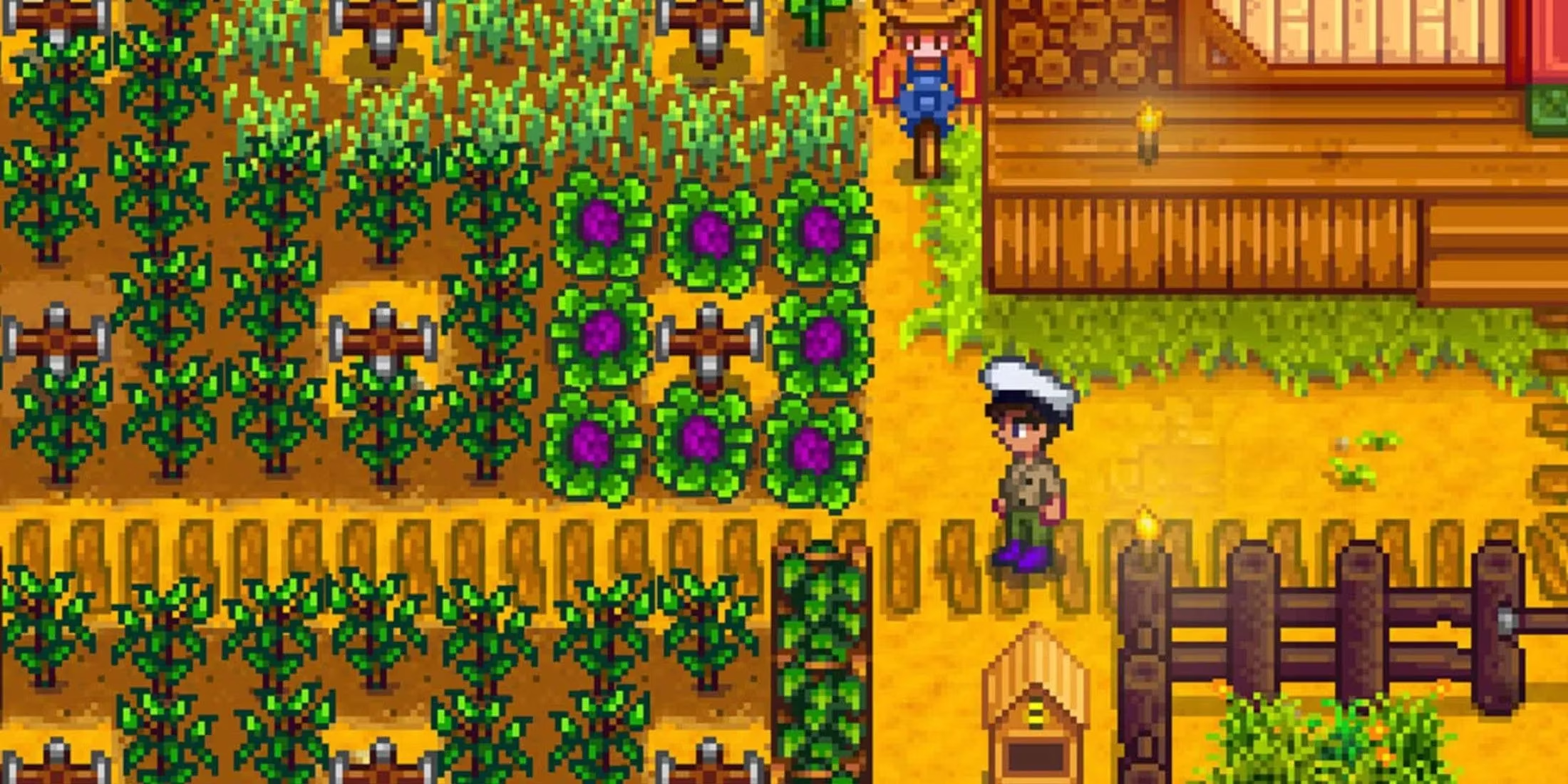
This is the end state of the unbeatable forest farm: a breathtaking, hyper-efficient landscape that generates immense wealth on autopilot. It liberates the player to fully immerse themselves in the other rich facets of Stardew Valley life—forging deep relationships with the villagers of Pelican Town, mastering the Skull Cavern, completing collections, or simply enjoying the sunset over a perfectly ordered, prosperous domain. In 2026, this remains the definitive blueprint for achieving effortless dominance, proving that in Stardew Valley, working in harmony with nature is the most powerful strategy of all. 😊
Comments