
Let me be real with you: earning gold in Stardew Valley is a cakewalk once you know the drill. The real conundrum, the one that stumps even seasoned farmers, is spending it wisely. As of 2026, with all the quality-of-life updates and content expansions (hello, 1.6!), you’ve got more options than a smorgasbord at the Stardew Valley Fair. But I’ve been down that pixelated road more times than I’ve counted, and I’m here to dish out my two cents on where to allocate your hard-earned coin for the biggest bang for your buck. Whether you’re a greenhorn or a long-time tiller, these investments will have you rolling in dough faster than you can say \"Junimo Kart.\"
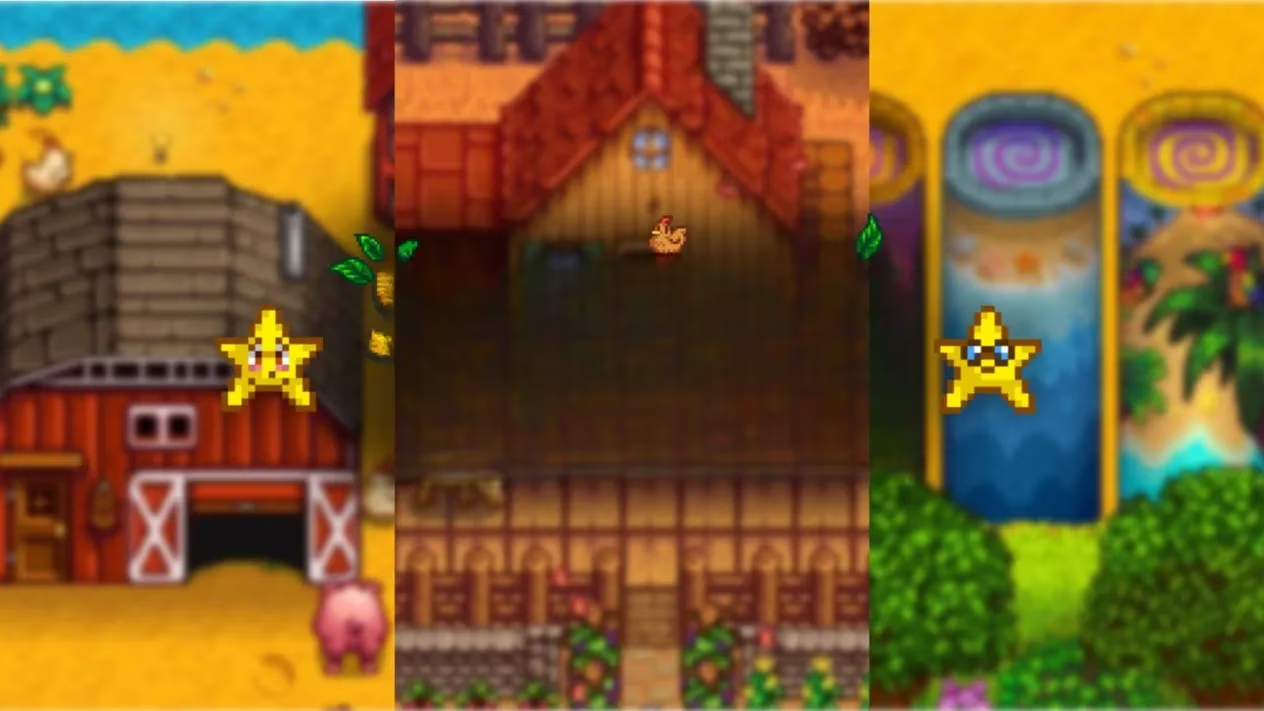
1. Piggy Power: The Truffle Empire
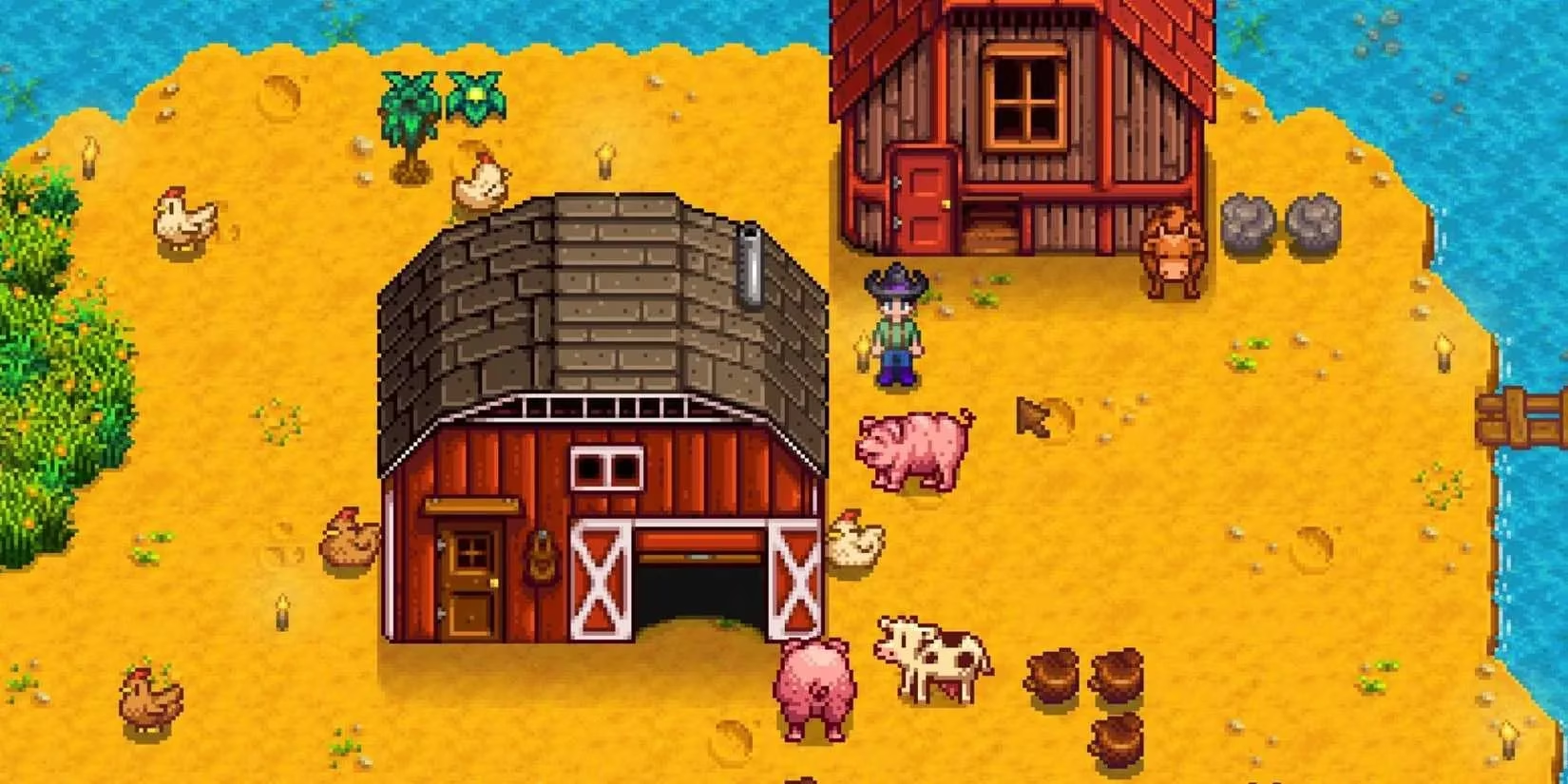
If you want to see your bank account explode like a Mega Bomb, get yourself a Deluxe Barn and a dozen of those adorable oinkers. The upfront cost stings a bit—the barn runs you 43,000g plus 1,350 Wood and 650 Stone, and each Pig sets you back 16,000g. I went all-in, dropping a cool 235,000g total. But here’s the kicker: once you hit level 10 Foraging and snag the Gatherer/Botanist profession, every Truffle those pigs dig up becomes an iridium-quality treasure worth 1,250g a pop. With 12 pigs, I was pulling in 36 truffles a day—45,000g daily, or 270,000g every six days. That’s a return on investment faster than you can age ancient fruit wine. Honestly, I felt like the wolf of Wall Street, Pelican Town edition.
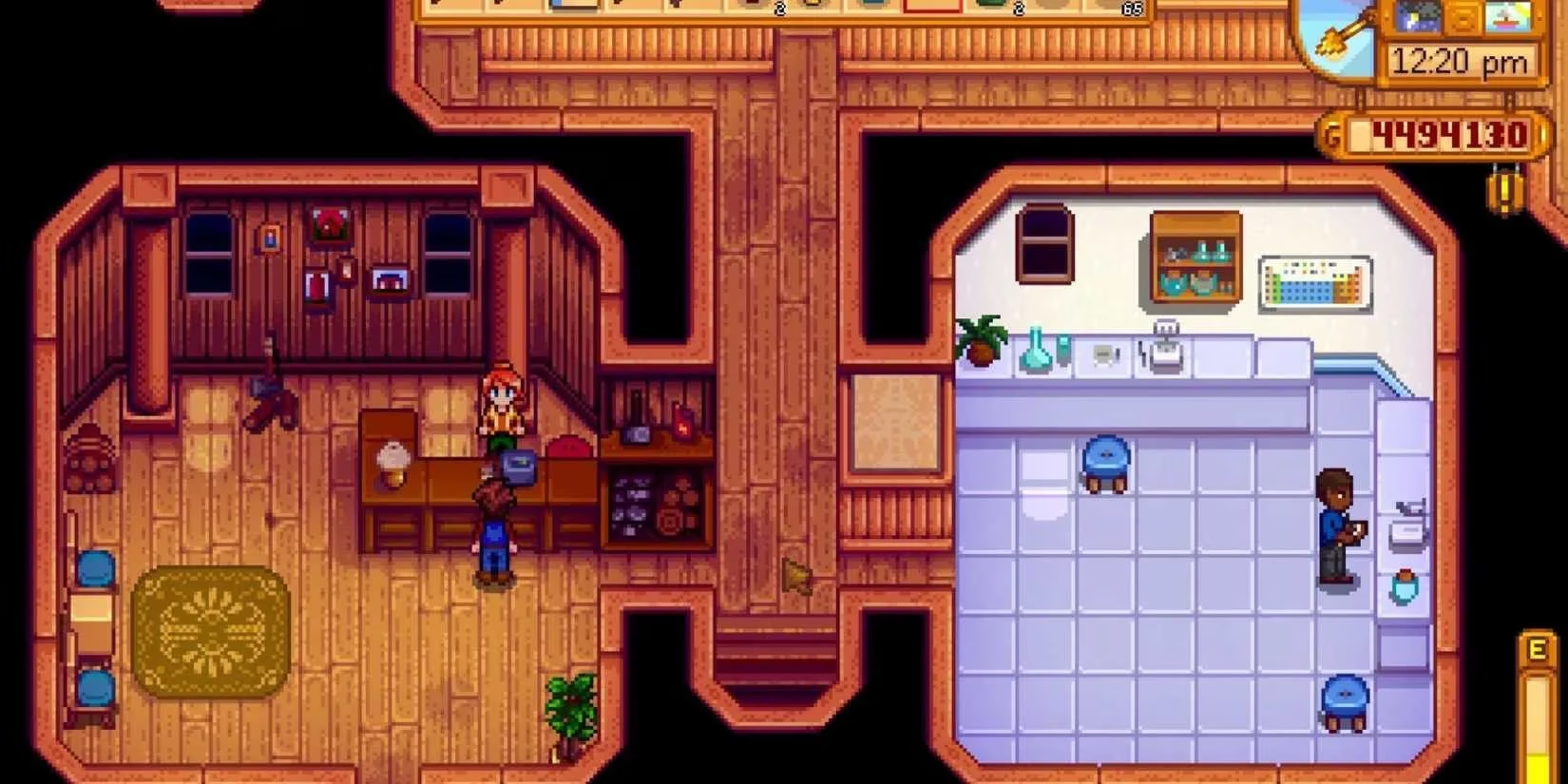
2. Buying Wood for Crafting Machines: A Keg Stand You’ll Never Forget
Here’s a hot take: sometimes it pays to be lazy. I used to spend whole days chopping trees until I realized I could just buy Wood from Robin—especially in year two when her prices jump to 50g each. Sure, it feels counterintuitive, but hear me out. A Cask requires 20 Wood, which translates to 1,000g per unit. I crafted five Casks for 5,000g. Then I filled them with Starfruit Wine, aged it to iridium quality with my Artisan profession, and sold each bottle for 6,300g. That’s a sweet 31,500g from a 5,000g investment. Talk about liquid gold! The same logic applies to Kegs and Cheese Presses—if you’re short on time, let Robin be your lumberjack, and you’ll be swimming in profits.
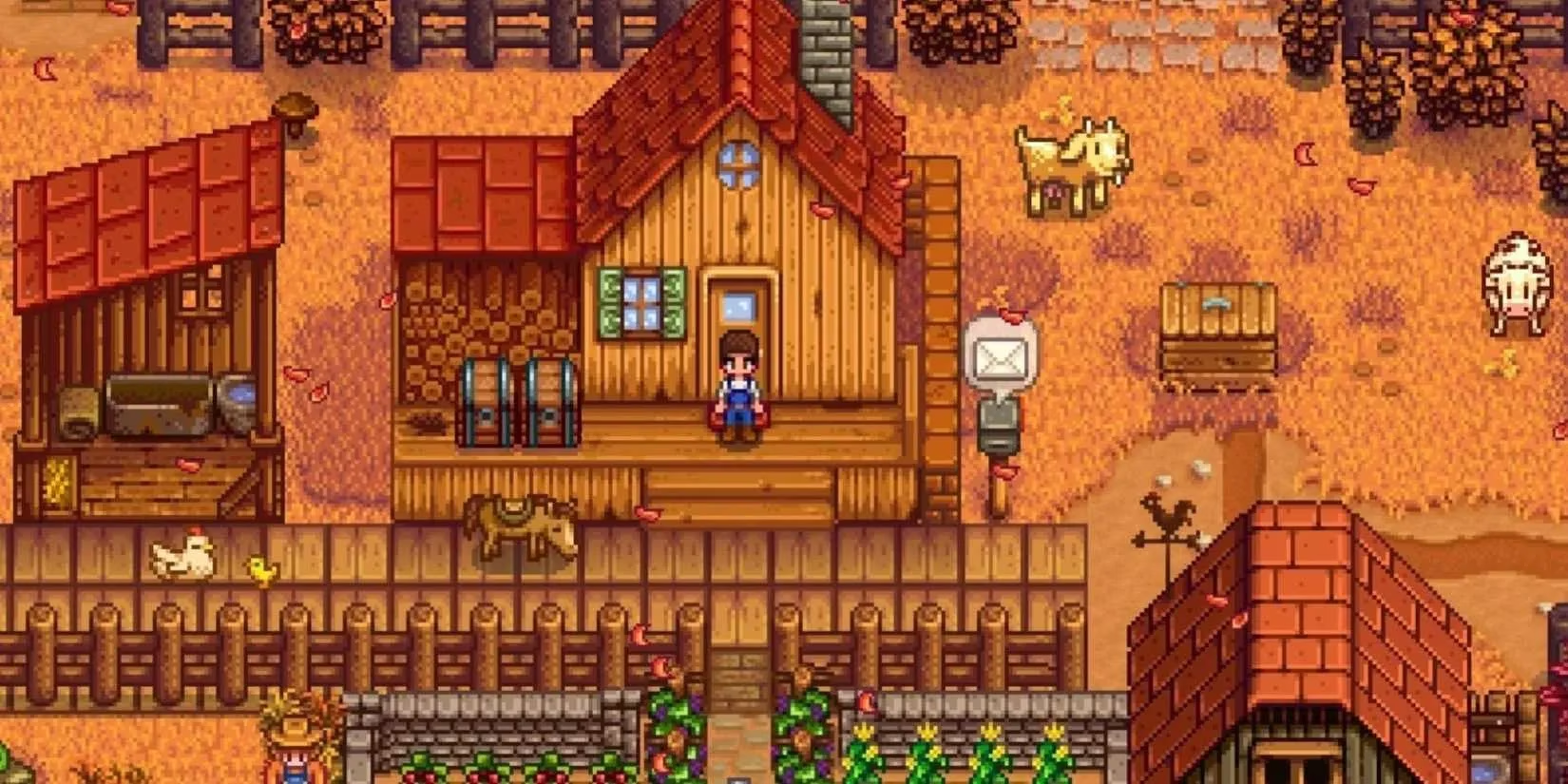
3. Farmhouse Upgrades: Your Basement is a Gold Mine
The farmhouse upgrades seem like a luxury at first—10,000g for a kitchen, 65,000g for a nursery, and a whopping 100,000g for the cellar. But that cellar is the cat’s pajamas. Once you fork over 175,000g total, you get 33 free Casks to age your booze. I loaded them up with Starfruit Wine, and after 56 days, each bottle transformed into a 6,300g masterpiece. One full cellar cycle netted me 207,900g. That’s like finding a money tree in your basement, and honestly, it paid for the whole upgrade in less than two seasons. Plus, now I can whip up a Lucky Lunch whenever I want—priceless.
4. Starfruit Seeds: The Crop That Keeps on Giving
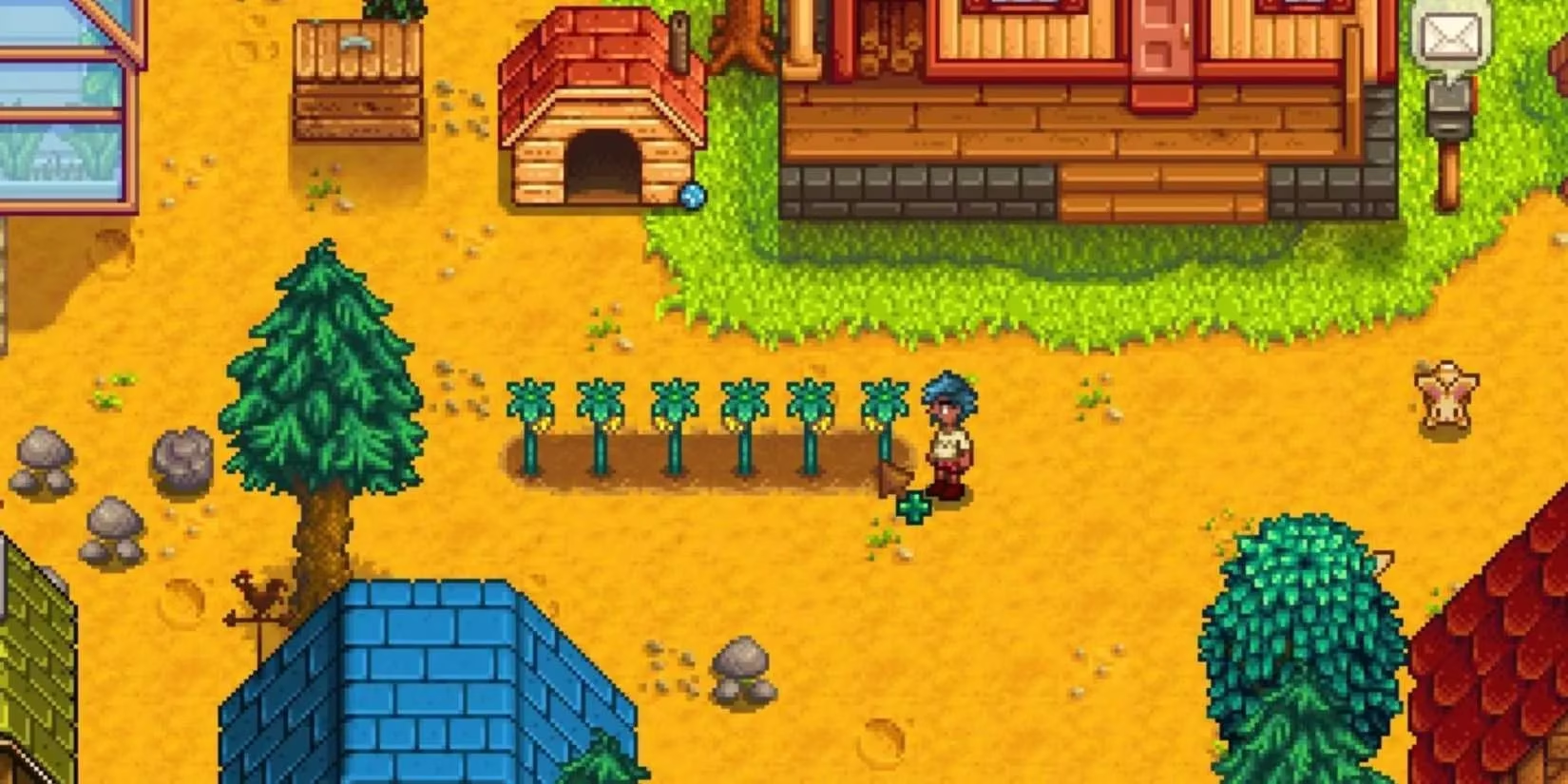
I’ve got a soft spot for Starfruit. Those seeds cost 200g each, and I needed 24 of them to fill an Iridium Sprinkler’s coverage—4,800g total. With the Tiller profession, each fruit sells for 825g, bringing in 19,800g per harvest. Even without Tiller, you’re looking at 18,000g. The real magic happens if you keg that fruit into wine—then you’re playing in the big leagues. Beyond pure profit, growing crops helps you knock out Community Center bundles and quests, so it’s a double whammy. I always keep a stash of Starfruit Seeds ready for summer; they’re the MVP of my farm.
5. Obelisks: The Fast-Travel Flex
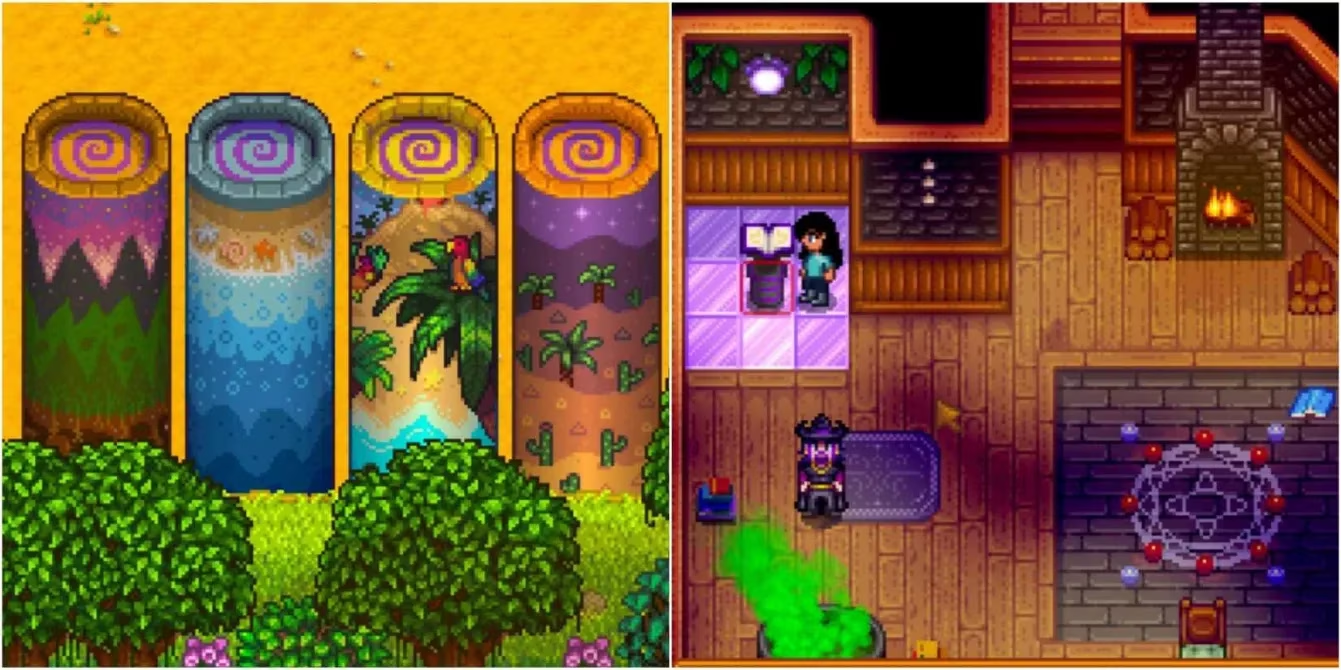
Let’s be honest—the Obelisks are a total flex. The set costs a jaw-dropping 3,000,000g, plus a heap of rare materials like Iridium Bars and Dragon Teeth. I built the Desert Obelisk (1,000,000g) to skip Pam’s bus fare, and the Island Obelisk (another 1,000,000g) to zap to Ginger Island. Mathematically, I’d need to visit the desert 2,000 times to recoup the gold from ticket savings alone. But here’s the thing: time is the ultimate currency. Those instant teleports let me squeeze in extra Skull Cavern dives or forage more on the island, which snowballs into way more profit. If you’ve already hit endgame and want to feel like a wizard, these bad boys are worth every g.
6. Travelling Cart Treasures: A Gambler’s Delight
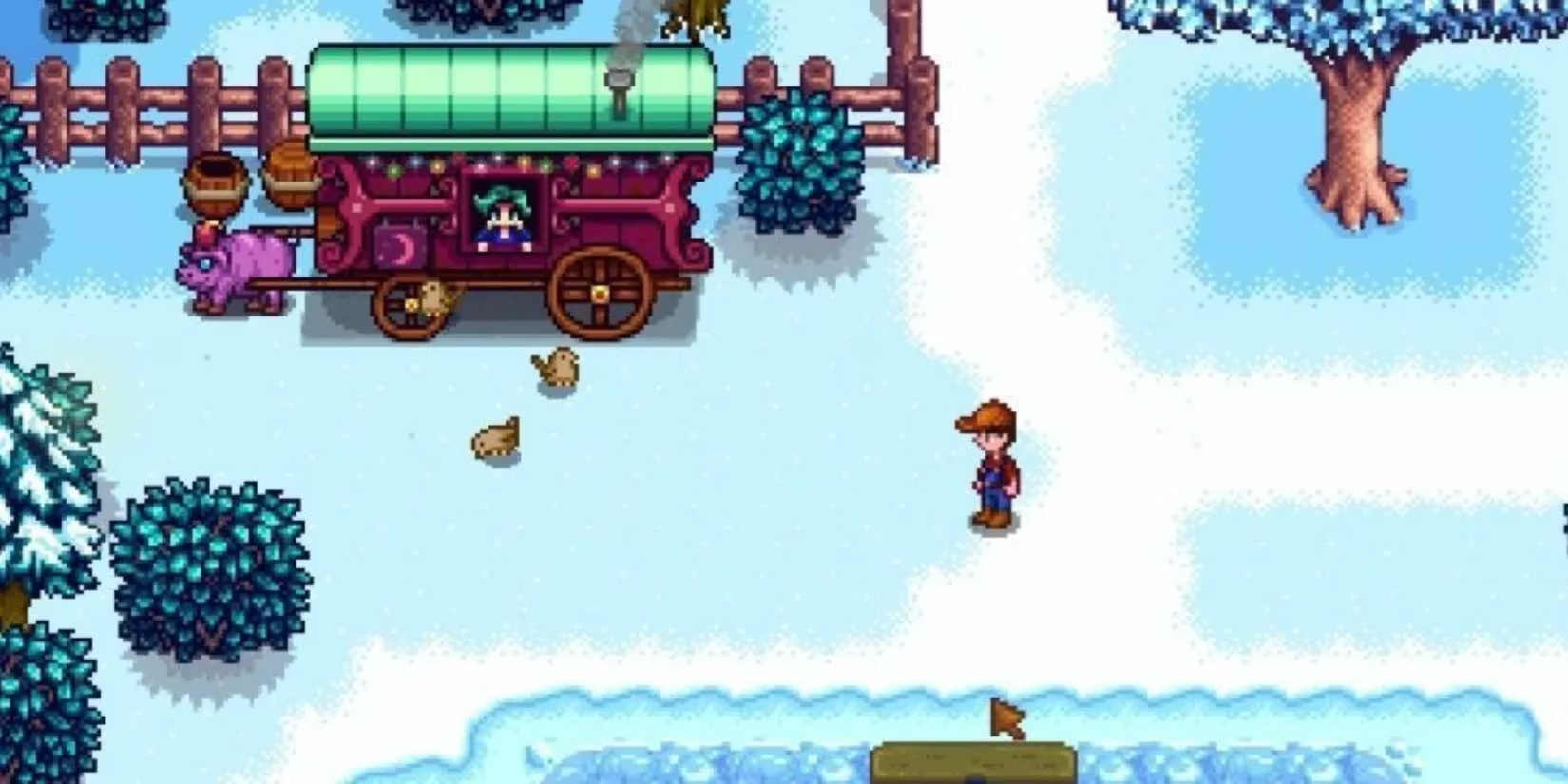
Every Friday and Sunday, I make a beeline to the Travelling Cart like a kid on Christmas morning. This mysterious merchant sells items you can’t snag anywhere else—Rare Seeds for Sweet Gem Berries, the elusive Red Cabbage in year one (crucial for that first-year Community Center challenge), and sometimes even Ancient Seeds. Prices are steep, but think of it as a gamble that often pays off. I once scored a Rare Seed for 1,000g and later turned that into a 3,000g berry. Not to mention the joy of completing bundles early. I always keep a reserve of 10,000g just for her, because you never know when luck will strike.
7. Festival Splurges: Strawberry Seeds Forever
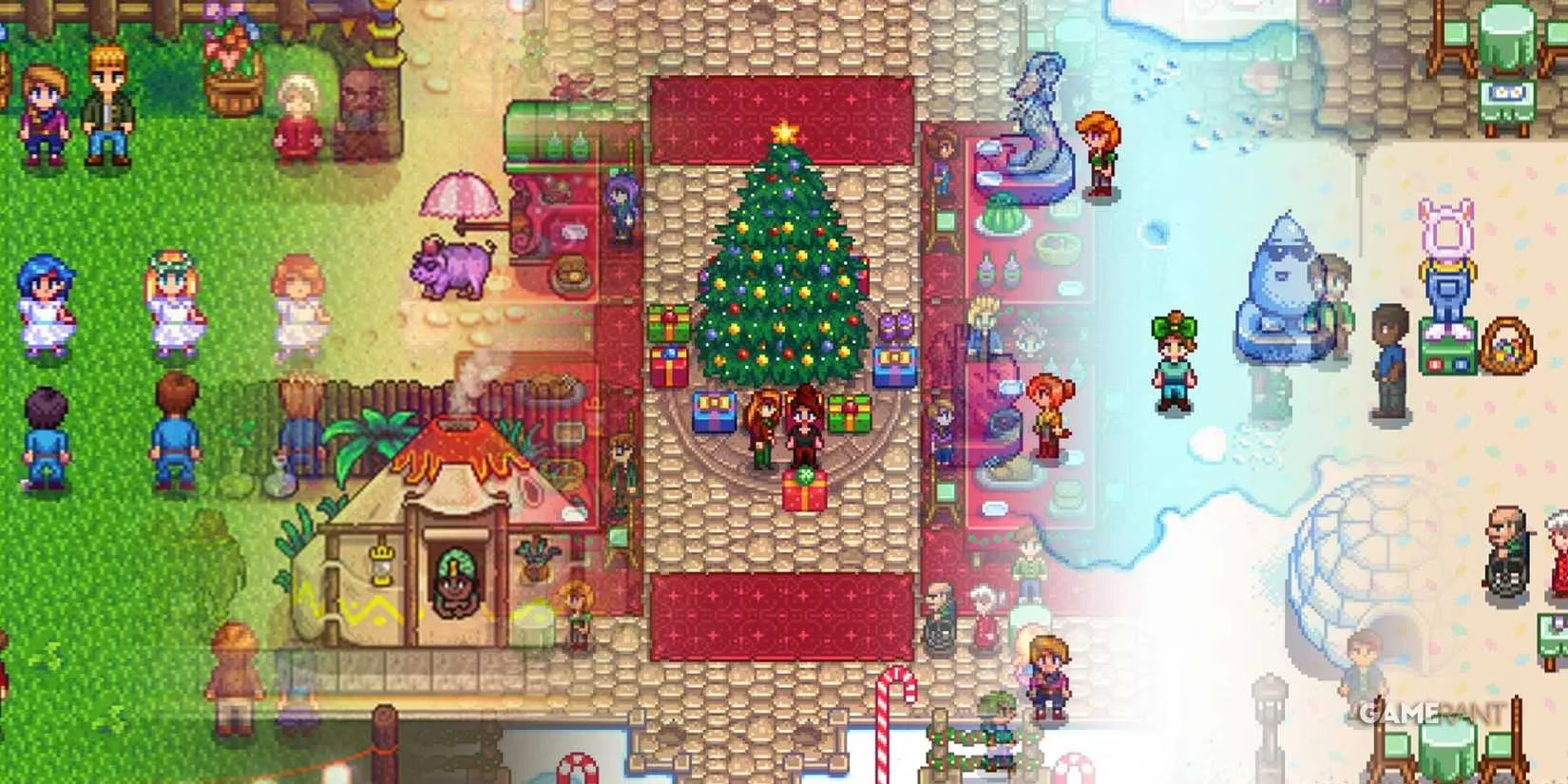
Festivals aren’t just for socializing—they’re a savvy spender’s paradise. Take the Egg Festival: Strawberry Seeds go on sale for 100g apiece, and they’re exclusive to the event. Plant them in spring and those little red berries will produce multiple harvests, netting you a tidy profit. I usually drop 10,000g on seeds and rake in over 30,000g by season’s end. Plus, festivals sell Rarecrows you need for the Perfection achievement; I snagged #7 and #8 at the Stardew Valley Fair and Spirit’s Eve. It’s the perfect blend of fun and forward-thinking—don’t skip the party without checking the stalls!
8. Town Shortcuts: Paving the Road to Riches
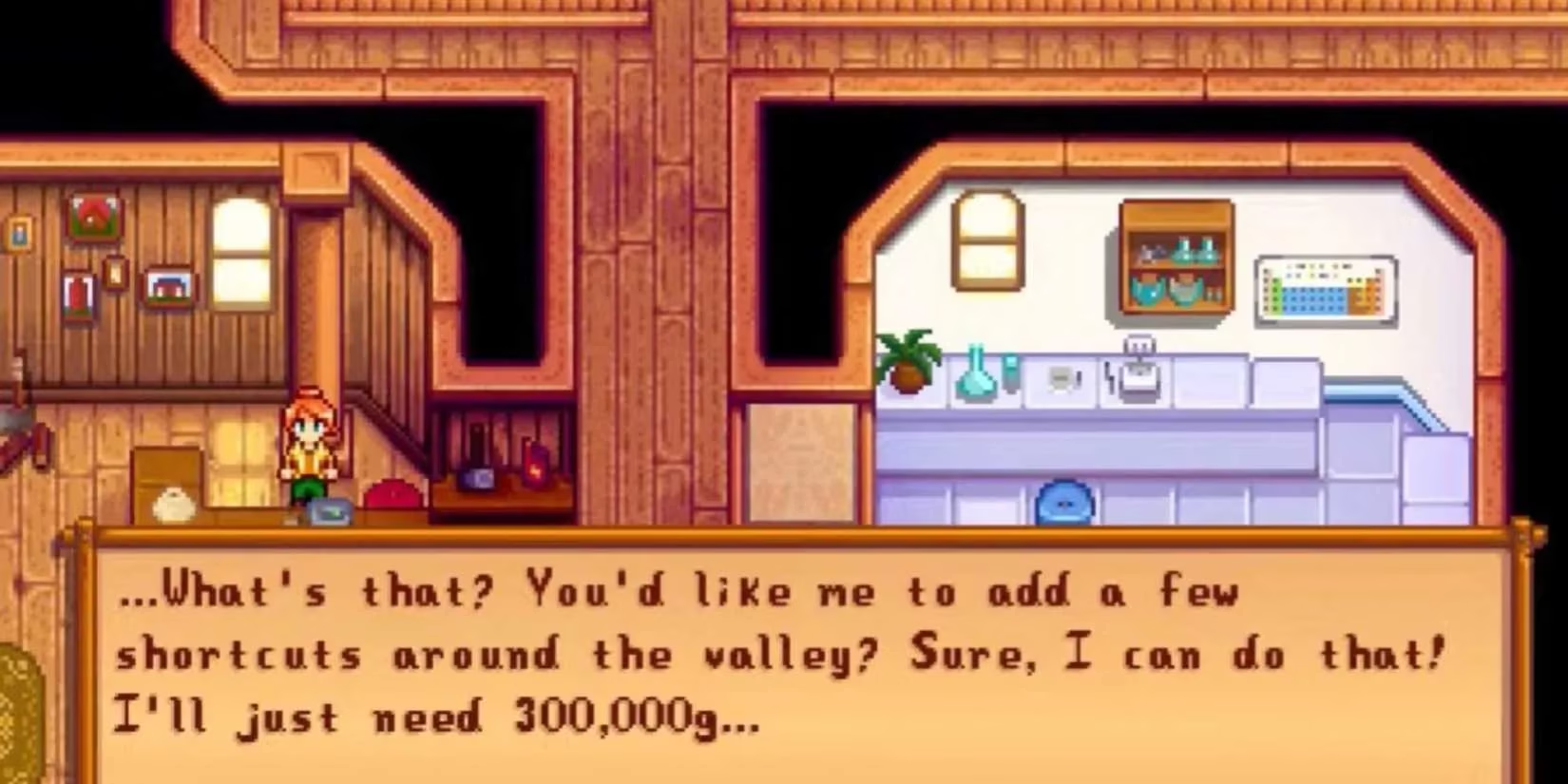
After you’ve upgraded Pam’s house (half a million gold and 950 Wood, yikes), you can drop another 300,000g on town shortcuts. At first I balked at the price—300k for a few footpaths? But once I unlocked them, I understood. Those five shortcuts—like Cindersap Forest to the Beach or Mountains to Town—shave precious minutes off my daily routine. When you’re trying to min‑max every in‑game hour, that speed bump matters. I now zip from my farm to the mines or the beach without wasting a second. It’s a luxury, sure, but one that fuels even greater productivity. Late‑game me thanks early‑game me for saving up for it.
The Bottom Line
In 2026, Stardew Valley is deeper than ever, and gold burns a hole in your inventory if you let it sit. Whether you’re building a truffle dynasty, aging wine in your cellar, or teleporting across the map like a boss, these investments have proven their worth on my farm. So go ahead—spend that g like a pro, and watch your little plot of land become the envy of Pelican Town. Happy farming, and may the RNG gods be ever in your favor!
Comments