
In the ever-expanding landscape of cozy games, a new title has emerged that captures the essence of a beloved classic while forging a distinctly unique identity. Discounty, developed by a small but passionate team, has taken the gaming community by storm since its release in late 2025, offering a deeply engaging experience that combines the mundane charm of retail management with the rich narrative depth and community dynamics reminiscent of Stardew Valley. While its pixel-art aesthetic invites immediate comparison to Eric Barone's farming masterpiece, Discounty distinguishes itself by replacing tilled soil and crops with store shelves and supply chains, creating a compelling gameplay loop centered on commerce, community, and conscience.
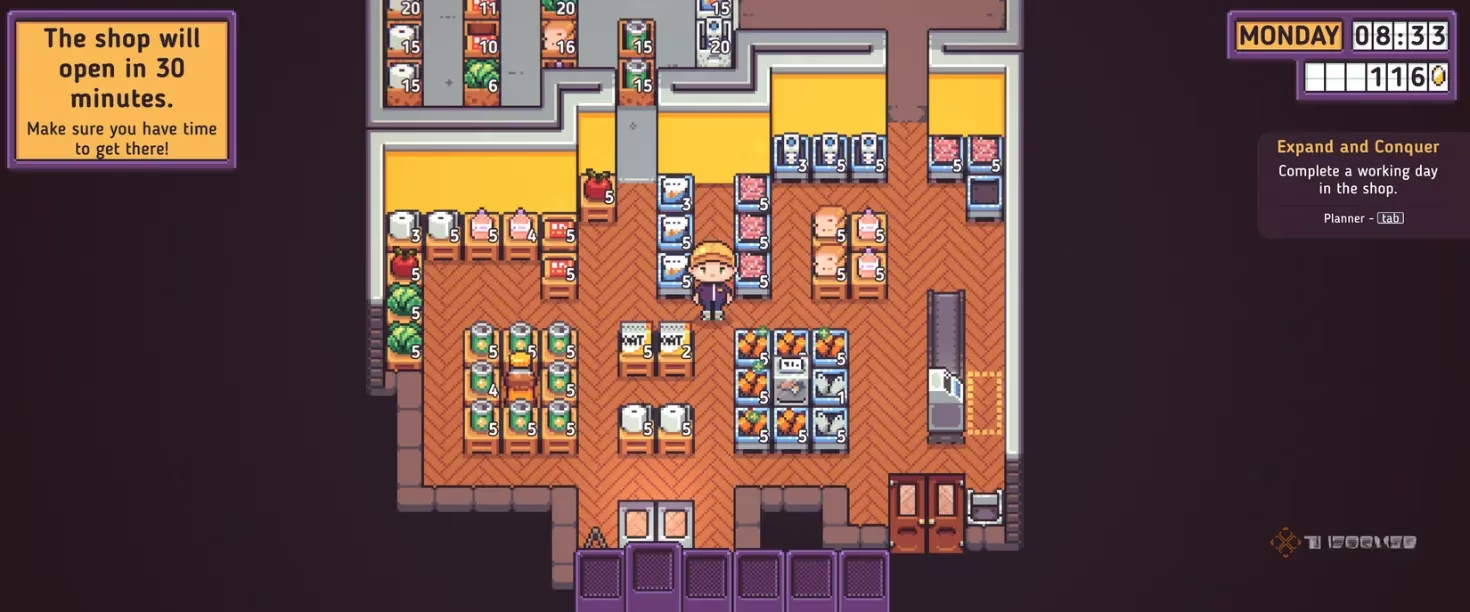
The premise is deceptively simple: players arrive in the quaint, fictional town of Blomkest with the mission to establish and operate a supermarket. This core objective, however, unfolds into a complex tapestry of daily operations, economic strategy, and social integration. The game masterfully replicates the addictive "one-more-day" cycle that defines the best life simulators. Players find themselves engrossed in a rhythmic dance of tasks:
🔹 Inventory Management: Ordering stock, managing deliveries, and arranging products on shelves.
🔹 Customer Service: Operating the checkout, pricing items, and ensuring shopper satisfaction.
🔹 Business Expansion: Unlocking new product lines, negotiating with suppliers, and physically growing the store's footprint.
🔹 Financial Oversight: Tracking sales goals, profit margins, and operational costs.
This gameplay foundation, inspired by the mechanical clarity of titles like Supermarket Simulator, is elevated by the game's dedication to building a living, breathing world. Unlike many management sims that treat the surrounding environment as a static backdrop, Blomkest is a character in its own right, with a history, culture, and populace that react dynamically to the player's presence and decisions.
A Narrative of Growth and Guilt
Where Discounty truly carves its niche is in its sophisticated and often uncomfortable narrative. The game positions the player not as a heroic farmer revitalizing a town, but as an agent of corporate expansion in a tight-knit community. This setup creates a persistent, low-level moral tension that is both novel and thought-provoking for the genre. Players must constantly grapple with questions that have no easy answers:
-
Community Impact: Is bringing convenient, affordable goods to Blomkest a service or a slow erosion of its local charm and independent businesses?
-
Ethical Sourcing: Which suppliers should you choose? The cheap, bulk distributor or the local, sustainable farm with higher costs?
-
Personal Integration: As the manager of a chain store, can you ever truly become part of the community, or are you destined to remain an outsider?
This narrative framework has been aptly described by players as the "Joja Route 2.0," a direct reference to the corporate path in Stardew Valley that most players avoid. Discounty makes this complex moral space the entire game, forcing introspection through gameplay. Expanding your store requires physical space, often meaning the player must choose what part of the town's landscape to develop over. Every business decision has a ripple effect, reported through town gossip, local newspaper snippets, and shifting relationships with other characters.
The Cozy-Core Gameplay Loop
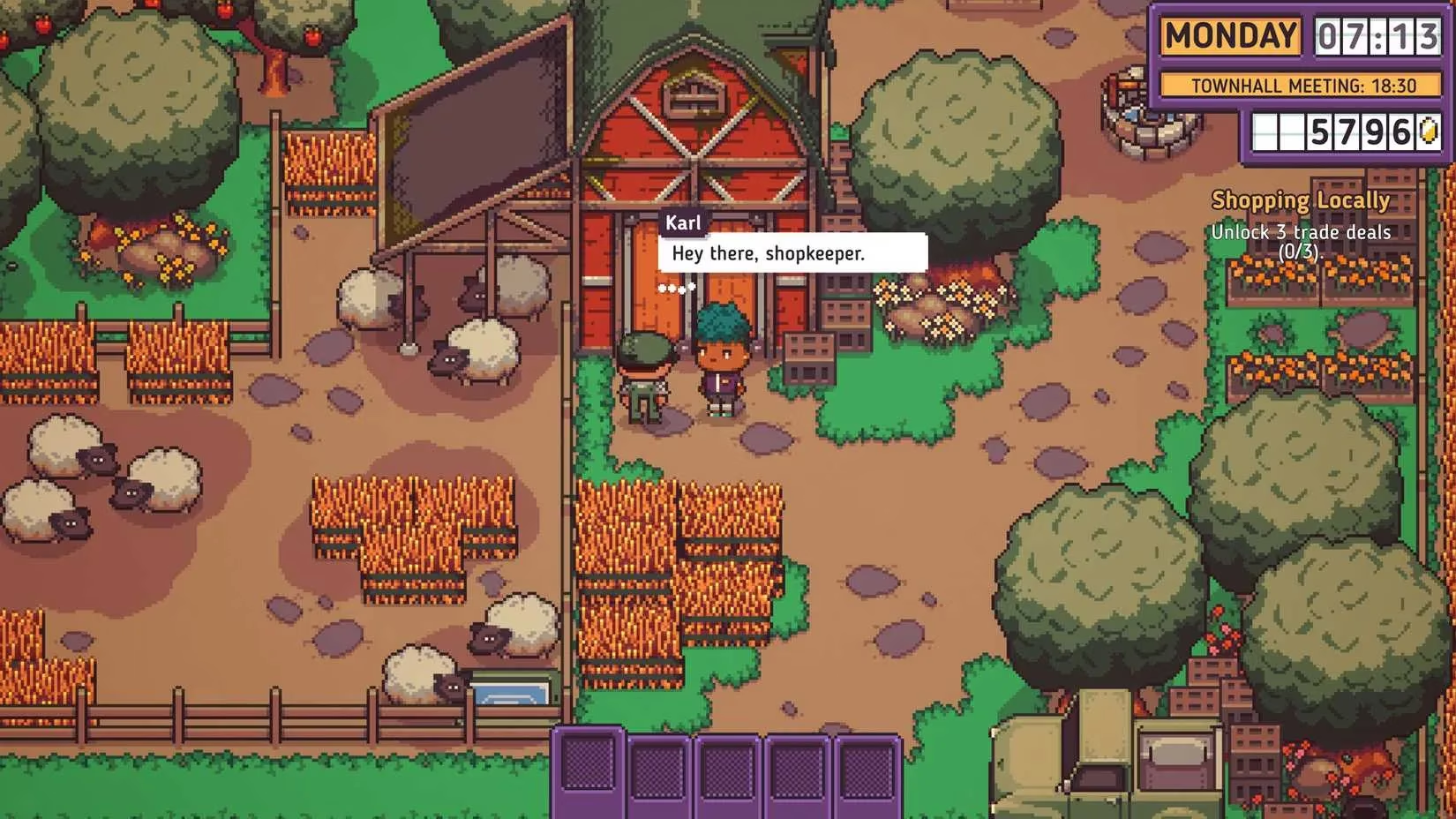
Despite its weighty themes, Discounty remains, at its heart, a profoundly cozy game. The pixel art is warm and detailed, bringing Blomkest's autumnal forests, rustic buildings, and the increasingly bustling supermarket interior to life with a nostalgic glow. The soundtrack is a blend of gentle, lofi-inspired melodies perfect for long, relaxed play sessions. The core gameplay loop is meticulously designed to be both satisfying and open-ended.
A Typical In-Game Day Might Involve:
-
Opening the store and turning on the lights.
-
Receiving a delivery and manually stocking shelves (a surprisingly meditative task).
-
Helping customers at the checkout, enjoying the tactile click of the virtual keypad.
-
Taking a break to walk around town, where a villager might give you a quest—perhaps to source a specific local product or to help with a community event.
-
Reviewing the store's finances and placing orders for tomorrow's stock.
-
Closing up, saving the game, and immediately wanting to start the next day.
The quest system is deliberately paced, often providing long-term objectives that players can work toward gradually. This design philosophy ensures there is always a goal on the horizon—a new aisle to unlock, a loyalty program to initiate, a town festival to sponsor—making every session feel productive. The game smartly avoids overwhelming players, instead allowing them to settle into their own unique management style, whether they are a ruthless efficiency expert or a community-focused shopkeeper.
A Standout in the 2026 Gaming Scene
As of 2026, Discounty stands as a testament to the evolution of the cozy game genre. It proves that games can be relaxing and addictive while also being intellectually and ethically engaging. It doesn't just borrow Stardew Valley's charm; it translates that charm into a completely different context, maintaining the feelings of ownership, progression, and connection that fans crave.
The game has sparked considerable discussion within gaming circles about the role of corporations in small communities, the ethics of convenience, and the player's agency in simulation games. It's a title that stays with you, its quiet questions about progress and community lingering long after the console is turned off. For players seeking a management sim with soul, a life simulator with bite, or simply a new world to get blissfully lost in for hours on end, Discounty is not just a compelling recommendation—it's an essential experience. It masterfully demonstrates that sometimes, the most fertile ground for a compelling story isn't a field of parsnips, but the neatly organized shelves of a local supermarket.
Comments